

 Comptes Rendus Palevol
25 (19) - Pages 357-374
Comptes Rendus Palevol
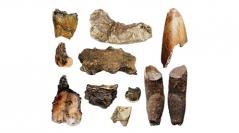
25 (19) - Pages 357-374An archaeological excavation of the Chalcolithic-Iron age site of Bharatihuda (1404-1000 BCE), in the Mahanadi delta, yielded the first discovery of skeletal elements of rhinoceros in the Odisha state, East India. After a short review of Pleistocene and archaeological records of Rhinoceros Linnaeus, 1758 in the Indian Subcontinent, the Bharatihuda mound and the rhinoceros remains are described. Six individuals of the greater one-horned rhinoceros, Rhinoceros unicornis Linnaeus, 1758, either juvenile, subadult, adult or very old, are recognised based on their morphological features and large dimensions. A single fragmentary humerus documents a smaller and slenderer form, Rhinoceros cf. sondaicus, close to the Javan rhinoceros, in the youngest archaeological layer (Mature Chalcolithic, c. 1072 BCE). Bharatihuda both testifies to the first occurrence of Rhinoceros in coastal areas west of the Bay of Bengal during Holocene times and potentially highlights the persistence of two sympatric Rhinoceros species, around 3 000 years ago, in a human-related context. In contrast to the huge amount of other wild mammalian remains found at Bharatihuda, very few chopping, cutting marks or other anthropogenic modifications were found on the 30 rhinoceros remains unearthed. Rhinoceroses were seemingly a particularly inconspicuous component in the Mahanadi delta ecosystems in those times, with vulnerable individuals seldomly hunted.
Late holocene, fossil record, zooarchaeology, morphology, Mahanadi delta, human-megaherbivore interactions